Commercial intelligence

Connect the offer to the conversation.

Commercial intelligence is Naevum's sales cluster for customer-facing teams, so that a customer gets a sourced answer at any hour and the business decides what it commits to.

  • Businesses
  • Commercial intelligence
  • Consent-aware outreach
  • Human oversight
Discuss commercial assistance
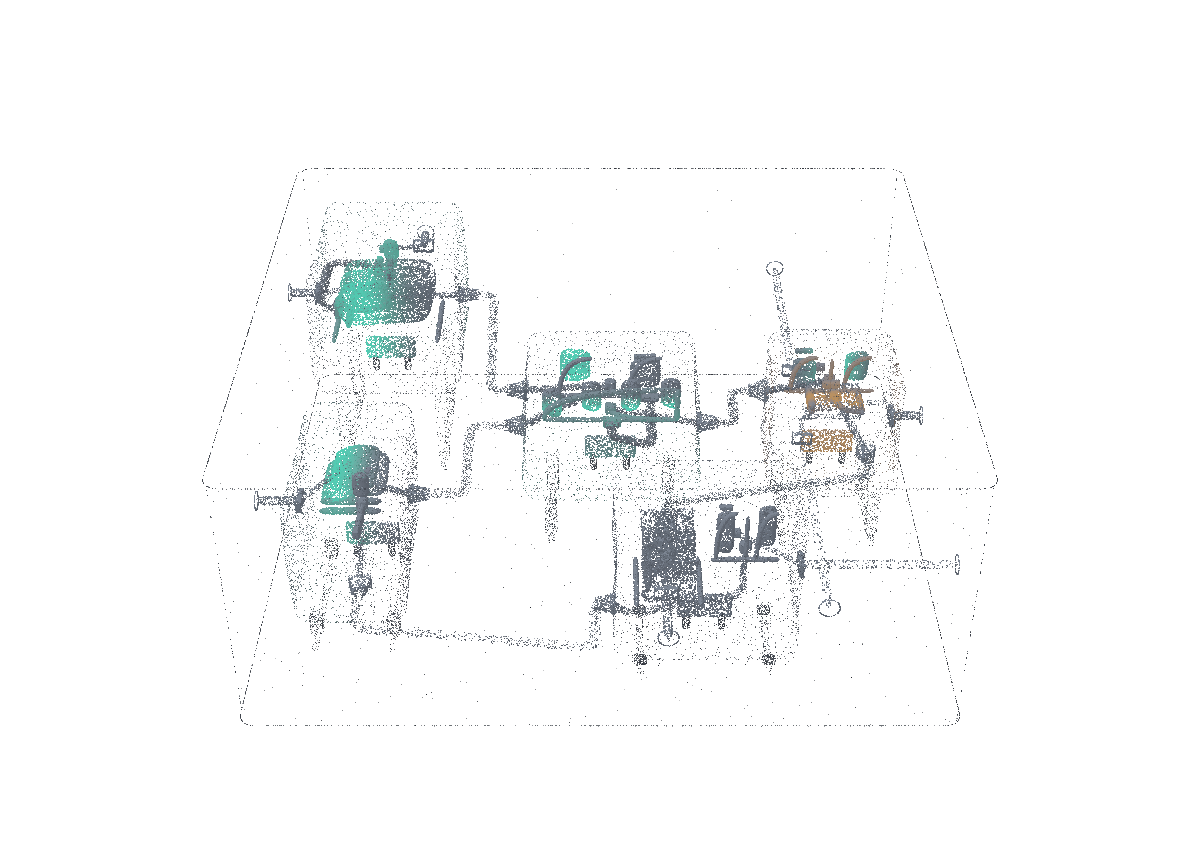
Invited relationship and grounded composition. An illustrative process for preparing and correcting an offer before communication.
Loading model
Technical descriptionsInteractive model unavailable. The static illustration and descriptions remain available.
Relationship intake
Retain the expressed need, replies and invitation scope.
Technical data

Inputs

An actual question or invitation.

Observed relationship state for the next relevant step.

Transformation

Retain the expressed need, replies and invitation scope.

Retained state and outputs

Person question, channel and previous replies.

Withdrawal, silence and human handoff remain distinct.

Constraints

Silence, withdrawal and a requested human handoff are distinct relationship states.

Business evidence and offer basis
Retrieve current offer facts and retain corrected assumptions.
Technical data

Inputs

Source-connected current offer and capacity.

Later supported correction; earlier draft retains its earlier source basis.

Transformation

Retrieve current offer facts and retain corrected assumptions.

Retained state and outputs

Source, conditions and capacity basis.

Old and corrected assertions remain explainable.

Constraints

The source and conditions of an offer remain traceable when a fact is corrected.

Offer and response workbench
Join the actual need with current evidence and assemble a suitable draft.
Technical data

Inputs

Permitted need and relevant earlier conversation.

Current facts, conflicts and effective conditions.

Transformation

Join the actual need with current evidence and assemble a suitable draft.

Retained state and outputs

Need, terms and actual capacity.

Proposed response, assumptions, cost and next step.

Constraints

Suitability depends on the expressed need and actual offer capacity.

Review and communication interface
Check grounding and applicable communication conditions under the shared mission.
Technical data

Inputs

A grounded draft and identified next step.

Applicable principal/recipient/channel consent and approval or valid class grant.

Transformation

Check grounding and applicable communication conditions under the shared mission.

Retained state and outputs

Exact principal, recipient and draft.

Competing proposals share intention and effect identity.

Constraints

The exact draft, recipient and communication authority must agree.

Conversation and outcome register
Keep proposal, authorized send and actual response distinct.
Technical data

Inputs

Proposed/authorized/issued state; no invented reply.

Acknowledged or uncertain send under the original identity.

Independent reply or withdrawal.

Transformation

Keep proposal, authorized send and actual response distinct.

Retained state and outputs

Effect receipt and unresolved result.

Actual reply, continued consent and defined outcome basis.

Constraints

A proposal, an authorized send and an actual reply are separate records.

An illustrative process for preparing and correcting an offer before communication.

Additional mechanisms are described in the technical reference.

What the research says

Customers hesitate to trust an AI answer

Fewer than half of people say they are willing to trust AI systems, and sales software is rented seat by seat. Commercial intelligence earns trust by showing the source of each answer and handing commitments to a person, and it connects to the sales tools you already use, so you decide later what to retire.

Start with a need the person has expressed.

A person asks whether an offer fits their circumstances. The business needs an answer grounded in its current knowledge.

Connect offers, supporting material and conversation history to an assistance journey. Let the person choose a next step and give the business a clear review path for consequential communication.

Keep the relationship intact across the workflow.

A relevant response depends on accurate context and appropriate permission.

  1. Ground the offer

    Retain the source and effective conditions of business assertions.

  2. Prepare the response

    Use the person’s question and permitted relationship context.

  3. Respect the next decision

    Apply recipient, consent and approval conditions before an external communication.

Which replies may go out without a person?

A head of customer service sets what a reply may promise; the boundary sends grounded answers and holds the rest. Illustrative, with a synthetic furniture retailer.

  1. 1 of 4The head of customer service sets what a reply may promise without a person: current stock, published delivery terms and no discounts.Decision: What a reply may promise without a person.
  2. 2 of 4A customer asks whether a sofa can arrive before a move date, and the question reaches the reply check.
  3. 3 of 4The answer draws on today's delivery terms and stock, and the reply cites both.
  4. 4 of 4The promise sits inside what the head of service approved, so the reply crosses to the customer and the crossing is recorded.
Select any part of the drawingScroll to step · Esc to skipFig. 1
  1. 1 of 4A customer asks for a discount on a second sofa, and the request reaches the reply check.
  2. 2 of 4The discount lies outside the policy the head of service set, so the offer is held inside the business.
  3. 3 of 4The customer receives a sourced holding reply: a person will answer, and nothing has been promised yet.
  4. 4 of 4The head of service approves or refuses the discount, and the decision is recorded with the conversation.Decision: Approve or refuse the discount.
Select any part of the drawingScroll to step · Esc to skipFig. 1

Systems behind it

What Commercial intelligence is built from.

Questions about Commercial intelligence.

Which outcomes matter?

Resolved needs, useful follow-up, accepted actions and retained consent. A pilot should examine both the person’s experience and the business’s ability to supervise it.

Commercial intelligence in the stack.

Product expression

Invitation-led experience

Connect a person’s needs to useful business assistance.

Built on

Product and workflow foundation

Context, services and organizational policy.

Technical reference1 further section

Keep the relationship intact across the workflow.

Ground the offer. Retain the source and effective conditions of business assertions.

Prepare the response. Use the person’s question and permitted relationship context.

Respect the next decision. Apply recipient, consent and approval conditions before an external communication.

System story

From business knowledge to a coherent conversation

An illustrative SuperSell assistance journey, describing the current experience direction.

Follow the story

Which promise does your team make to customers today that nobody has written down as policy?

Discuss commercial assistance