From business knowledge to a coherent conversation
An invitation begins with something the person wants to know.
 Loading model
Relationship intake
Retain the expressed need, replies and invitation scope.
Inputs
An actual question or invitation.
Observed relationship state for the next relevant step.
Transformation
Retain the expressed need, replies and invitation scope.
Retained state and outputs
Person question, channel and previous replies.
Withdrawal, silence and human handoff remain distinct.
Constraints
Silence, withdrawal and a requested human handoff are distinct relationship states.
Business evidence and offer basis
Retrieve current offer facts and retain corrected assumptions.
Inputs
Source-connected current offer and capacity.
Later supported correction; earlier draft retains its earlier source basis.
Transformation
Retrieve current offer facts and retain corrected assumptions.
Retained state and outputs
Source, conditions and capacity basis.
Old and corrected assertions remain explainable.
Constraints
The source and conditions of an offer remain traceable when a fact is corrected.
Offer and response workbench
Join the actual need with current evidence and assemble a suitable draft.
Inputs
Permitted need and relevant earlier conversation.
Current facts, conflicts and effective conditions.
Transformation
Join the actual need with current evidence and assemble a suitable draft.
Retained state and outputs
Need, terms and actual capacity.
Proposed response, assumptions, cost and next step.
Constraints
Suitability depends on the expressed need and actual offer capacity.
Review and communication interface
Check grounding and applicable communication conditions under the shared mission.
Inputs
A grounded draft and identified next step.
Applicable principal/recipient/channel consent and approval or valid class grant.
Transformation
Check grounding and applicable communication conditions under the shared mission.
Retained state and outputs
Exact principal, recipient and draft.
Competing proposals share intention and effect identity.
Constraints
The exact draft, recipient and communication authority must agree.
Conversation and outcome register
Keep proposal, authorized send and actual response distinct.
Inputs
Proposed/authorized/issued state; no invented reply.
Acknowledged or uncertain send under the original identity.
Independent reply or withdrawal.
Transformation
Keep proposal, authorized send and actual response distinct.
Retained state and outputs
Effect receipt and unresolved result.
Actual reply, continued consent and defined outcome basis.
Constraints
A proposal, an authorized send and an actual reply are separate records.
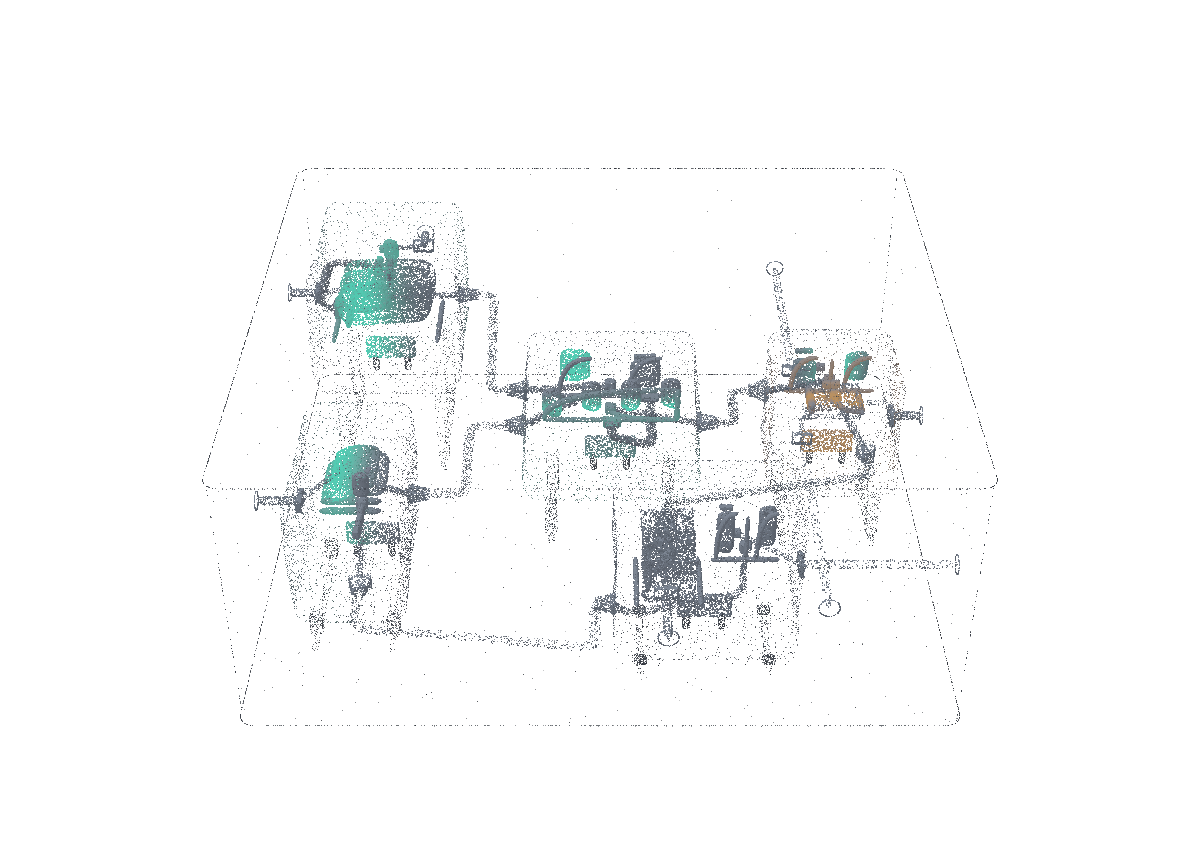
Technical descriptionsInteractive model unavailable. The static illustration and descriptions remain available.
- Relationship intake
- Retain the expressed need, replies and invitation scope.
Technical data
Inputs
An actual question or invitation.
Observed relationship state for the next relevant step.
Transformation
Retain the expressed need, replies and invitation scope.
Retained state and outputs
Person question, channel and previous replies.
Withdrawal, silence and human handoff remain distinct.
Constraints
Silence, withdrawal and a requested human handoff are distinct relationship states.
- Business evidence and offer basis
- Retrieve current offer facts and retain corrected assumptions.
Technical data
Inputs
Source-connected current offer and capacity.
Later supported correction; earlier draft retains its earlier source basis.
Transformation
Retrieve current offer facts and retain corrected assumptions.
Retained state and outputs
Source, conditions and capacity basis.
Old and corrected assertions remain explainable.
Constraints
The source and conditions of an offer remain traceable when a fact is corrected.
- Offer and response workbench
- Join the actual need with current evidence and assemble a suitable draft.
Technical data
Inputs
Permitted need and relevant earlier conversation.
Current facts, conflicts and effective conditions.
Transformation
Join the actual need with current evidence and assemble a suitable draft.
Retained state and outputs
Need, terms and actual capacity.
Proposed response, assumptions, cost and next step.
Constraints
Suitability depends on the expressed need and actual offer capacity.
- Review and communication interface
- Check grounding and applicable communication conditions under the shared mission.
Technical data
Inputs
A grounded draft and identified next step.
Applicable principal/recipient/channel consent and approval or valid class grant.
Transformation
Check grounding and applicable communication conditions under the shared mission.
Retained state and outputs
Exact principal, recipient and draft.
Competing proposals share intention and effect identity.
Constraints
The exact draft, recipient and communication authority must agree.
- Conversation and outcome register
- Keep proposal, authorized send and actual response distinct.
Technical data
Inputs
Proposed/authorized/issued state; no invented reply.
Acknowledged or uncertain send under the original identity.
Independent reply or withdrawal.
Transformation
Keep proposal, authorized send and actual response distinct.
Retained state and outputs
Effect receipt and unresolved result.
Actual reply, continued consent and defined outcome basis.
Constraints
A proposal, an authorized send and an actual reply are separate records.
An illustrative process for preparing and correcting an offer before communication.
Additional mechanisms are described in the technical reference.
An expressed need meets the business context.
An illustrative SuperSell assistance journey, describing the current experience direction.
The person asks
A visitor wants to understand whether an offer fits a particular need. They choose to bring the business into the conversation.
The business supplies context
Current offer information and supporting material ground the answer. Source and effective conditions remain available when the offer changes.
A useful response leaves the person in control.
The assistant explains the relevant terms and prepares a next step. A consequential communication follows recipient, consent and approval conditions.
A useful response takes shape
The assistant explains the relevant terms and prepares a next step. A consequential communication follows recipient, consent and approval conditions.
The person decides
The person can continue, involve a human or stop. Evaluation asks whether the need was resolved and the next step was useful to both sides.
Within the Naevum ecosystem.
Technical referenceFurther context
What could these mechanisms make possible for you?
Explore commercial assistance